K-BEAUTY INSIGHT
The Hidden Heroes of K-Beauty: The Secret of the Korean OEM/ODM Industry
South Korea · 5 min read

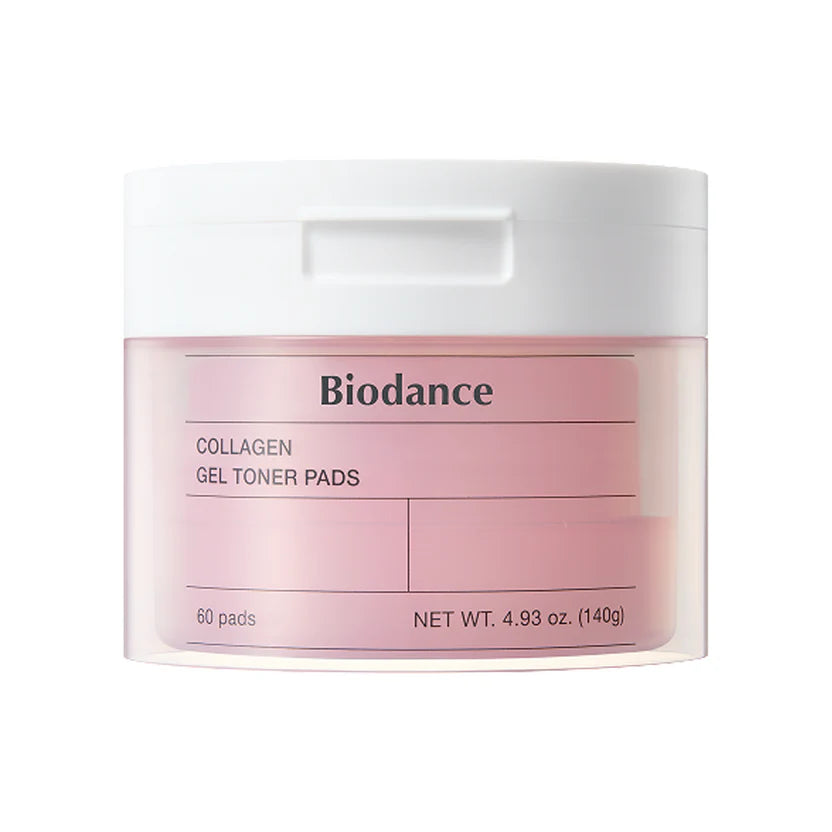
Medicube Zero Pore Pad 2.0, manufactured by Cosmecca Korea · Available at Lococo
Selena Gomez's Rare Beauty, YSL, Dior, and your favorite indie K-beauty brand. What do they have in common? They might have been born in the same Korean factory.
In summary · Quick facts
| OEM | Original Equipment Manufacturing: the brand designs, the manufacturer produces |
| ODM | Original Design Manufacturing: the manufacturer designs AND produces |
| Big 4 | Cosmax, Kolmar Korea, Cosmecca Korea, C&C International |
| 2025 Revenue | ~€7.3 billion (81 companies) |
01. OEM vs ODM: the key difference
OEM (Original Equipment Manufacturing): The brand designs the formula, the packaging, everything. The manufacturer only produces following the instructions. It's like taking your recipe to a chef and asking them to cook it.
ODM (Original Design Manufacturing): The manufacturer not only produces, but also designs the product. The brand can choose from a catalog of proven formulas or request customization. It's like going to a restaurant and choosing from the menu.

Beauty of Joseon Glow Serum - produced by Korean ODMs · Available at Lococo
02. The four giants: Cosmax, Kolmar, Cosmecca, C&C
South Korea has over 80 cosmetic ODM companies, but four dominate the market with more than 54% of total revenue:
| Company | 2025 Revenue | Notable Clients |
|---|---|---|
| Kolmar Korea | ~€1.8 billion | Dr.G, SKIN1004 |
| Cosmax | ~€1.6 billion | L'Oréal, Dior, COSRX |
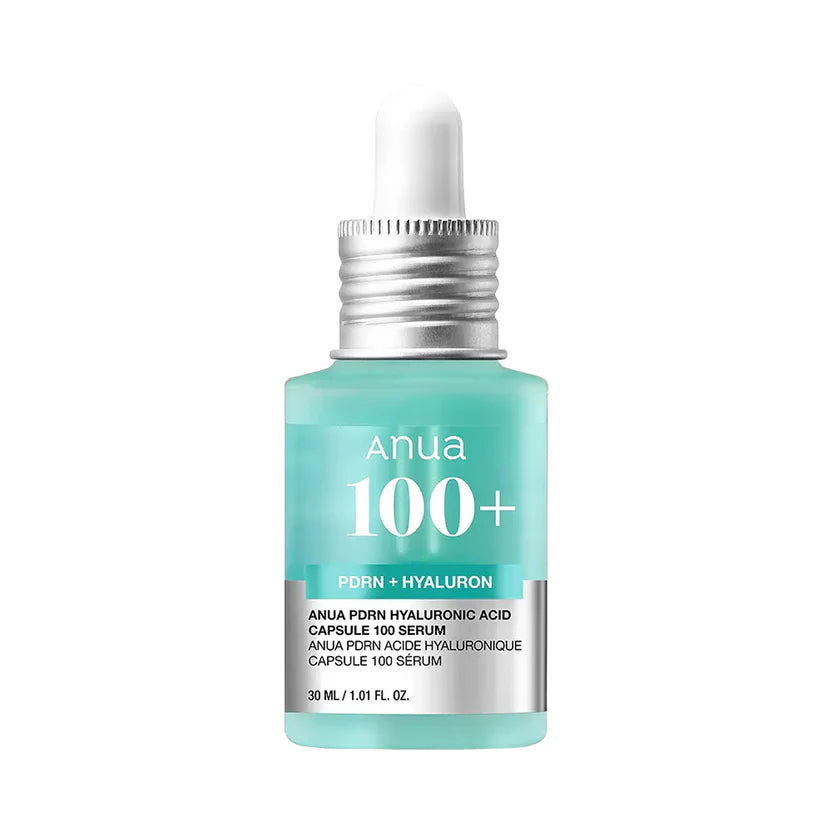
| Cosmecca Korea | ~€427 million | Anua, Medicube |
| C&C International | ~€192 million | European luxury brands |

SKIN1004 Madagascar Centella Ampoule - manufactured by Kolmar Korea · Available at Lococo
03. From idea to product: the ODM process
The typical process from idea to finished product:
- Briefing: The brand explains what it wants (product type, price range, target audience)
- Formula development: The ODM proposes 3-5 options based on its R&D
- Samples and adjustments: The texture, fragrance, and efficacy are perfected
- Production: Large-scale manufacturing with quality controls
- Delivery: Finished product ready to label and sell
04. What brands use Korean ODM?
The list is surprising: from luxury giants like Dior and YSL to viral indie brands like COSRX and Beauty of Joseon. Cosmax, for example, works with 18 of the 20 largest beauty brands in the world.

COSRX The Vitamin C 23 Serum - manufactured by Cosmax · Available at Lococo
05. Why does Korea dominate beauty ODM?
- Unique ecosystem: The entire supply chain is concentrated in one small country
- Intensive R&D: Companies invest up to 5% of their revenue in research
- Speed: From concept to product in weeks, not months
- Flexible MOQ: Minimum orders from 3,000-5,000 units
- Trends: Korean consumers demand constant innovation

Round Lab Birch Juice Cleanser - produced by Korean ODMs · Available at Lococo
06. Buying with more information
Now you know that your favorite serum probably came from the same factory that produces for Dior. Does that make the product better or worse? Neither. What matters is the formula, the ingredients, and how it works on your skin.
But knowing who manufactures what helps you understand why certain products have similar qualities, and why Korean indie brands can offer high-end formulas at affordable prices.
Sources:
Cosin Korea (2025-2026) ·
Cosmax ·
Kolmar Korea
Product images: Courtesy of Lococo K-beauty Store
K-BEAUTY INSIGHT
The Hidden Heroes of K-Beauty: The Secret of the Korean OEM/ODM Industry
South Korea · 5 min read
Medicube Zero Pore Pad 2.0, manufactured by Cosmecca Korea · Available at Lococo
Selena Gomez's Rare Beauty, YSL, Dior, and your favorite indie K-beauty brand. What do they have in common? They might have been born in the same Korean factory.
In summary · Quick facts
| OEM | The brand provides the formula, the manufacturer only produces |
| ODM | The manufacturer researches, develops, and produces |
| Market size | ~€7.3 billion in 2025 (81 companies) |
| Big 4 | Cosmax, Kolmar Korea, Cosmecca Korea, C&C International |
01 · What's the difference?
OEM vs ODM: the key difference
How can a brand that doesn't manufacture its own products launch cosmetics on the market? The answer lies in the OEM and ODM system.
OEM (Original Equipment Manufacturing)
Used when the brand already has a complete formula. The manufacturer produces exactly according to that formula, and the intellectual property belongs to the brand. Ideal for switching manufacturers or mass-producing a proprietary formula.
ODM (Original Development/Design Manufacturing)
The manufacturer analyzes trends, develops the formula, and handles all production. The brand only provides the concept and target audience. Perfect for launching a new brand quickly without having your own laboratory.

Beauty of Joseon Glow Serum: Propolis + Niacinamide, produced by Korean ODMs · Available at Lococo
Kolmar Korea first introduced the OEM business model to the Korean cosmetic industry in 1990, laying the foundation for the growth of K-beauty.
02 · The global giants
Cosmax, Kolmar Korea, Cosmecca Korea, C&C International
In 2025, the combined revenue of these four companies exceeded 4 billion euros, a historic record.
| Company | 2025 Revenue | Specialty |
|---|---|---|
| Kolmar Korea | ~€1.8 billion | Sejong Smart Factory, sunscreens |
| Cosmax | ~€1.6 billion | No. 1 global ODM, creator of the cushion compact |
| Cosmecca Korea | ~€427 million | BB cream pioneer, production in the USA |
| C&C International | ~€192 million | Makeup specialist |

SKIN1004 Madagascar Centella Poremizing Fresh Ampoule, manufactured by Kolmar Korea · Available at Lococo
Fun fact: the founders of Kolmar Korea and Cosmax (Yoon Dong-han and Lee Kyung-soo) both worked at Daewoong Pharmaceutical. The rigorous quality control of the pharmaceutical industry became the foundation of K-beauty ODM.
03 · How does it work?
From idea to finished product
The ODM process is faster than you think:
- Concept meeting – The brand shares the concept, target audience, and price range
- Formula development – The ODM laboratory develops formulas considering trends and safety
- Sampling – Cosmax and Kolmar have "one-day labs" that produce samples in 24 hours
- Testing and adjustments – Modifications based on feedback
- Mass production – Approximately 2 weeks after approving the sample
- Quality control and shipping – Functional cosmetics require additional approval
The minimum order has also decreased: from 5,000 units to currently 3,000 units.
04 · Is the product I use also on the list?
A surprising list of clients
Cosmax works with 18 of the 20 largest cosmetic brands in the world: from luxury brands like L'Oréal, Lancôme, YSL, and Dior, to Selena Gomez's Rare Beauty.

COSRX The Vitamin C 23 Serum, produced by Cosmax · Available at Lococo
Korean indie brands also:
- Beauty of Joseon – Works with Cosmax, Kolmar Korea, Cosmecca Korea
- Anua – Cosmecca Korea
- Medicube – Cosmecca Korea
- Dr.G, SKIN1004 – Kolmar Korea
- COSRX – Cosmax
💡 Formulas developed by the same ODM can be supplied to multiple brands. This is why similar innovative textures or formats appear in different brands at the same time.
05 · Why Korea?
Why K-beauty ODM is the best in the world

Round Lab Birch Juice Cleanser, produced by Korean ODMs · Available at Lococo
- Speed – From trend detection to launch in just a few months
- Technology – Development of innovative formats: cushion compacts, BB creams, hydrogel masks
- Infrastructure – Concentrated laboratories, production facilities, and supply chains
- Economies of scale – A virtuous cycle of investment and innovation with brands from around the world
- Indie brand ecosystem – Accumulated experience with small brands since the Missha and The Face Shop era
Kolmar Korea is expanding its smart factory in Sejong, and Cosmax has acquired Keminova in Italy to establish a European production base.
06 · What does this mean for consumers?
Buying with more information
Thanks to the ODM system, we can:
- Access high-quality products at reasonable prices
- Experience changing trends immediately
- Use products with enterprise-level quality control (CGMP, ISO 22716)
✨ Lococo Tip: Don't just look at the brand name, also check where it's made. If it's produced by a Korean ODM company, the quality is already guaranteed.
Sources
- Cosin Korea (2025-2026) – Analysis of cosmetic ODM industry results
- Cosmax – Official website
- Kolmar Korea – Official website
Product images: Courtesy of Lococo K-beauty Store
K-BEAUTY INSIGHT
The hidden heroes of K-beauty: the secret of the Korean OEM/ODM industry
South Korea · 5 min read
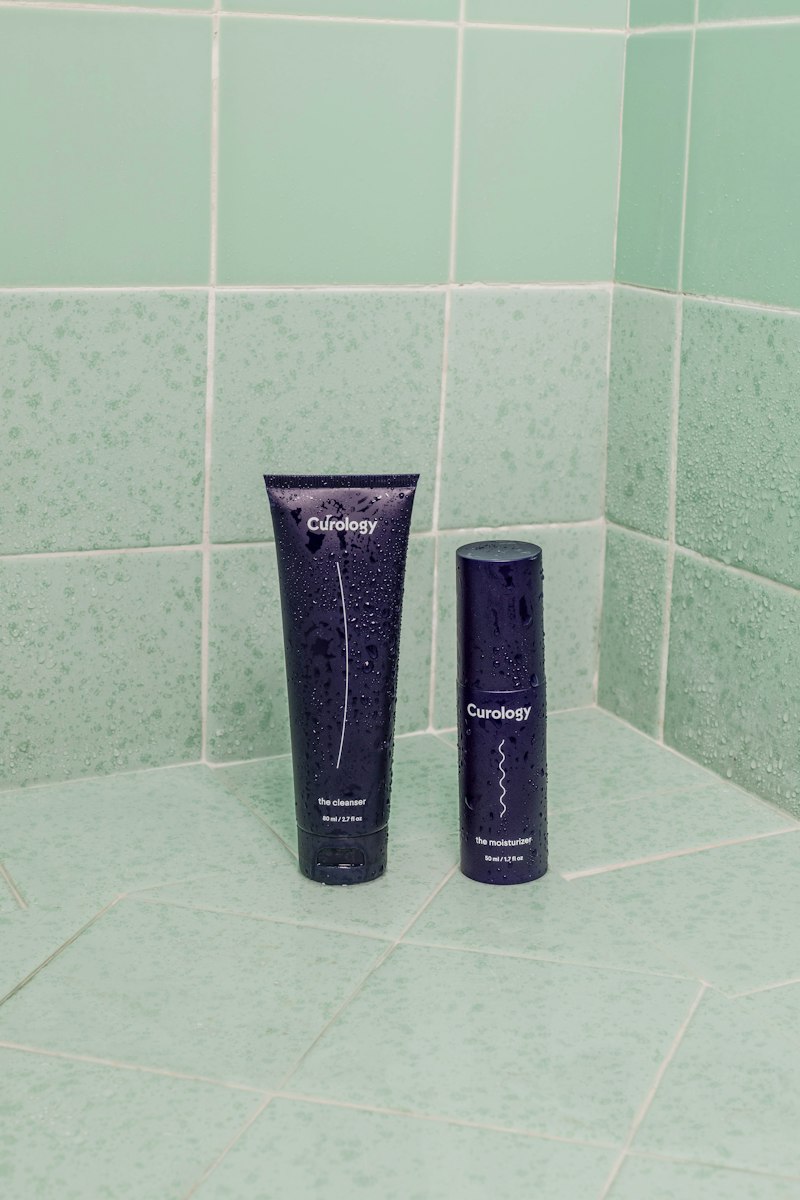
Interior of a K-beauty cosmetics factory · Image: Unsplash
Rare Beauty by Selena Gomez, YSL, Dior, and your favorite indie K-beauty brand. What do they have in common? They could have been born in the same Korean factory.
In summary · Quick facts
| OEM | The brand provides the formula, the manufacturer only produces |
| ODM | The manufacturer researches, develops, and produces |
| Market size | ~€7.3 billion in 2025 (105 companies) |
| Big 4 | Cosmax, Kolmar Korea, Cosmecca Korea, C&C International |
01 · What's the difference?
OEM vs ODM: the key difference
How can a brand that doesn't manufacture its own products launch cosmetics on the market? The answer lies in the OEM and ODM system.
OEM (Original Equipment Manufacturing)
Used when the brand already has a complete formula. The manufacturer produces exactly according to that formula, and the intellectual property belongs to the brand. Ideal for switching factories or mass-producing your own formula.
ODM (Original Development/Design Manufacturing)
The manufacturer analyzes trends, develops the formula, and handles all production. The brand only provides the concept and target audience. Perfect for launching a new brand quickly without your own laboratory.
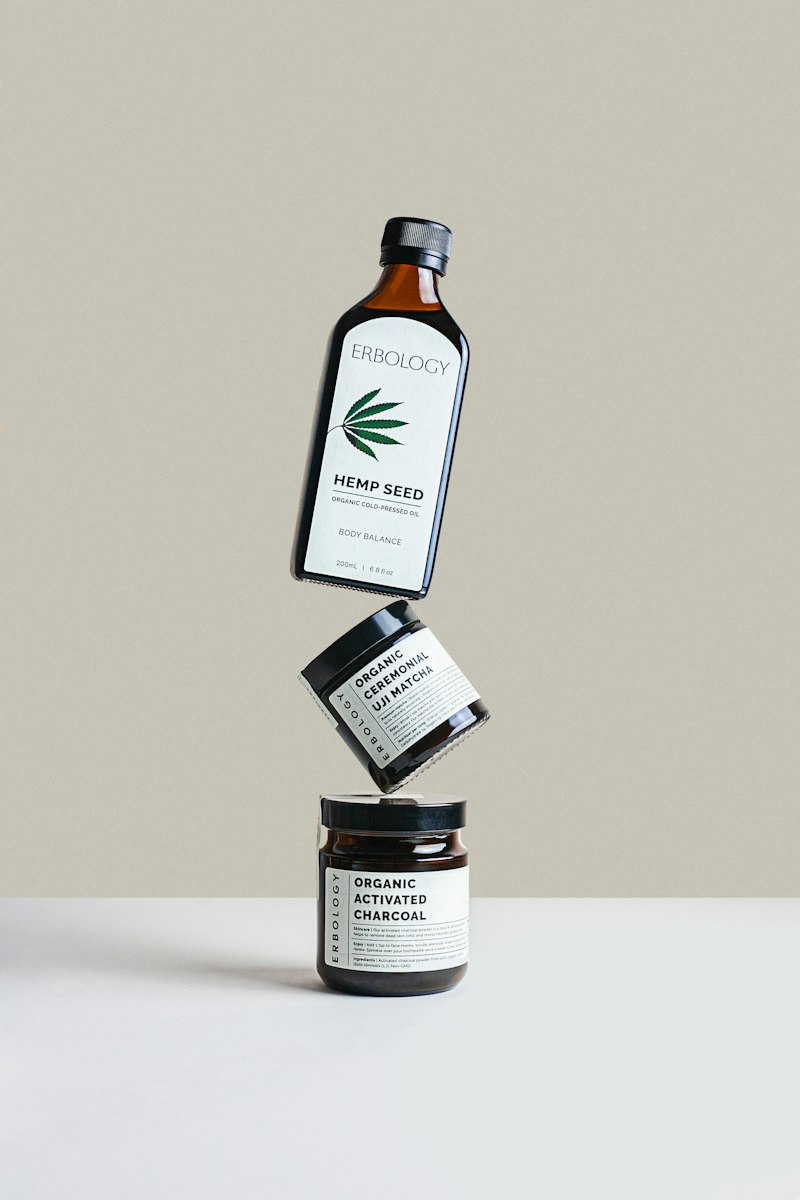
Cosmetic formula development process · Image: Unsplash
Kolmar Korea first introduced the ODM business model to the Korean cosmetics industry in 1990, laying the foundation for the growth of K-beauty.
02 · The global giants
Cosmax, Kolmar Korea, Cosmecca Korea, C&C International
In 2025, the combined revenue of these four companies exceeded 4 billion euros, a historic record.
| Company | 2025 Revenue | Specialty |
|---|---|---|
| Kolmar Korea | ~€1.8 billion | Sejong Smart Factory, sunscreens |
| Cosmax | ~€1.6 billion | No. 1 global ODM, creator of the cushion compact |
| Cosmecca Korea | ~€427 million | Pioneer of BB cream, production in the US |
| C&C International | ~€192 million | Makeup specialist |
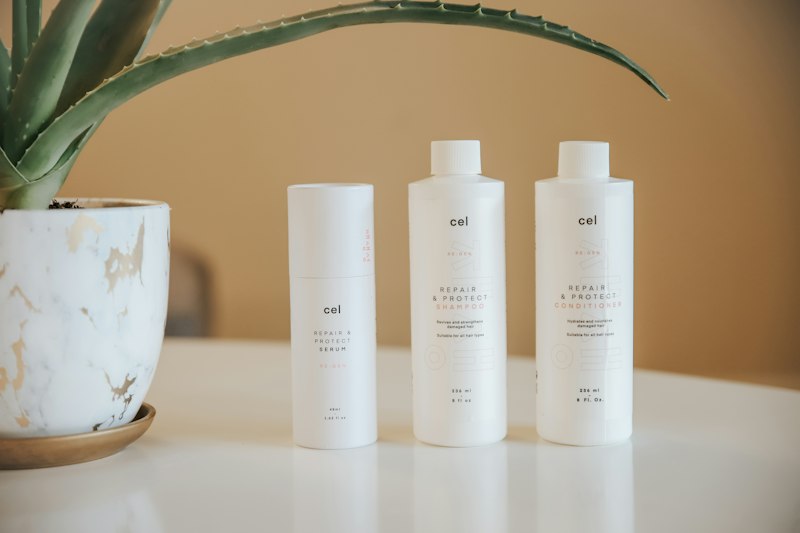
Automated production line in an ODM factory · Image: Unsplash
Fun fact: the founders of Kolmar Korea and Cosmax (Yoon Dong-han and Lee Kyung-soo) both worked at Daewoong Pharmaceutical. The rigorous quality control of the pharmaceutical industry became the foundation of K-beauty ODM.
03 · How does it work?
From idea to finished product
The ODM process is faster than you think:
- Concept meeting – The brand shares the concept, target audience, and price range
- Formula development – The ODM laboratory develops formulas considering trends and safety
- Sampling – Cosmax and Kolmar have "one-day labs" that produce samples in 24 hours
- Testing and adjustments – Modifications based on feedback
- Mass production – Approximately 2 weeks after sample approval
- Quality control and shipping – Functional cosmetics require additional approval
The minimum order quantity has also decreased: from 5,000 units to currently 3,000 units.
04 · Is it also the product I use?
A surprising list of clients
Cosmax collaborates with 18 of the 20 largest cosmetics brands in the world: from luxury brands like L'Oréal, Lancôme, YSL, and Dior, to Selena Gomez's Rare Beauty.
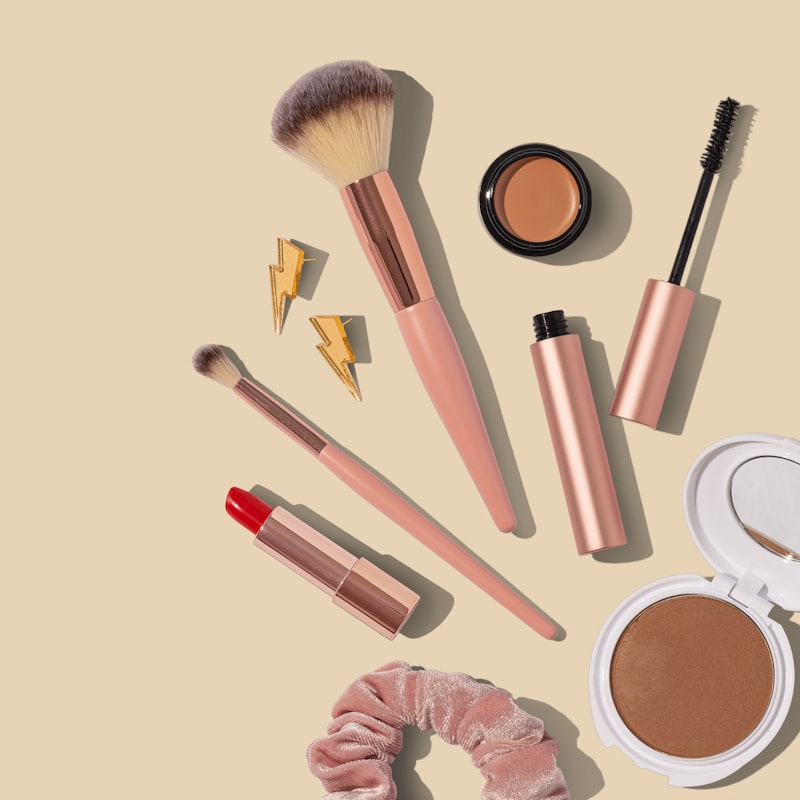
Diversity of K-beauty products · Image: Unsplash
Korean indie brands also:
- Beauty of Joseon – Collaborates with Cosmax, Kolmar Korea, Cosmecca Korea
- Anua – Cosmecca Korea
- Medicube – Cosmecca Korea
- Dr.G, SKIN1004 – Kolmar Korea
💡 Formulas developed by the same ODM can be supplied to multiple brands. This is why similar innovative textures or formats appear in different brands at the same time.
05 · Why Korea?
Why K-beauty ODM is the best in the world
Research and development in a K-beauty laboratory · Image: Unsplash
- Speed – From trend detection to launch in just a few months
- Technology – Development of innovative formats: cushion compacts, BB creams, hydrogel masks
- Infrastructure – Concentrated laboratories, production facilities, and supply chains
- Economies of scale – A virtuous cycle of investment and innovation with brands from around the world
- Indie brand ecosystem – Accumulated experience with small brands since the Missha and The Face Shop era
Kolmar Korea is expanding its smart factory in Sejong, and Cosmax has acquired Keminova in Italy to establish a European production base.
06 · What does this mean for consumers?
Buying with more information
Thanks to the ODM system, we can:
- Access high-quality products at reasonable prices
- Experience changing trends immediately
- Use products with enterprise-level quality control (CGMP, ISO 22716)
✨ Lococo Tip: Don't just look at the brand name, also check where it's made. If it's produced by a Korean ODM company, the quality is already guaranteed.
Sources
- Cosin Korea (2025-2026) – Analysis of cosmetic ODM industry results
- Korea JoongAng Daily (2025) – Analysis of K-beauty ODM companies
- Chosun Biz (2026) – Korean cosmetic ODM revenue trends
- Cosmax – Official website
- Kolmar Korea – Official website
Images: © Unsplash, used for informational purposes.